

IT security best practices are essential for protecting modern businesses from data breaches, ransomware, and operational disruption. As organizations increasingly rely on managed IT services and cloud environments, security must evolve beyond basic antivirus and firewall protection.
For small and mid-sized businesses in the United States, combining strong cloud security with proactive MSP security tips creates a resilient infrastructure that supports growth while minimizing risk.
Why Security Matters More Than Ever
Cyber threats continue to target businesses of all sizes. Attackers often focus on small and mid-sized organizations because they assume weaker defenses.
Without structured security monitoring strategies and layered network protection, businesses face:
- Data loss
- Operational downtime
- Regulatory penalties
- Reputational damage
- Financial loss
Implementing modern IT security best practices reduces these risks significantly.
Core IT Security Best Practices for Managed IT and Cloud
A comprehensive security framework should address endpoints, networks, cloud platforms, and compliance requirements.
1. Implement Proactive Security Monitoring Strategies
Reactive security is no longer sufficient. Continuous monitoring identifies threats before they escalate.
Effective monitoring includes:
- 24/7 system and network monitoring
- Real-time threat detection
- Log analysis and anomaly tracking
- Automated alerts for suspicious activity
Managed Service Providers typically deploy advanced tools to ensure early detection and rapid response.
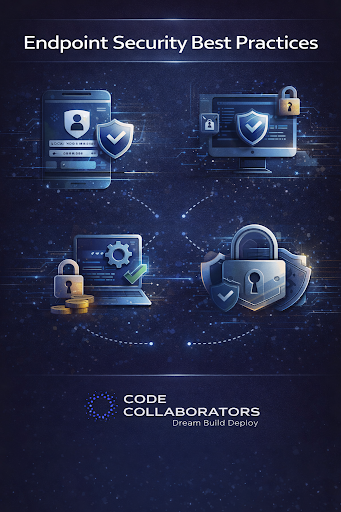
2. Strengthen Endpoint Defense
Endpoints such as laptops, desktops, and mobile devices are common attack vectors. Strong endpoint defense protects remote and in-office employees alike.
Best practices include:
- Endpoint detection and response tools
- Multi-factor authentication
- Regular patch management
- Device encryption
- Controlled access policies
Endpoint security forms the foundation of effective network protection.
3. Apply Layered Cloud Security Controls
Cloud environments require dedicated security strategies. Proper cloud security includes:
- Identity and access management
- Role-based permissions
- Encryption at rest and in transit
- Secure configuration management
- Regular vulnerability assessments
When aligned with cloud strategy best practices, businesses reduce exposure to misconfigurations and unauthorized access.
4. Enforce Data Breach Prevention Policies
Data breach prevention requires both technology and policy enforcement.
Key steps include:
- Strict access control protocols
- Backup and disaster recovery planning
- Data classification policies
- Employee cybersecurity awareness training
- Phishing simulation exercises
Human error remains one of the leading causes of breaches, making training as critical as technology.
5. Maintain Compliance Guidelines Alignment
Many industries must meet regulatory standards such as HIPAA or SOC frameworks. Security must align with compliance guidelines to avoid penalties and liability.
Compliance-focused security includes:
- Documented policies and procedures
- Regular risk assessments
- Audit-ready logging systems
- Access tracking and reporting
An experienced MSP ensures ongoing alignment with evolving regulatory requirements.
Managed IT and Security: Why Proactive Beats Reactive
Traditional break-fix IT models address problems after they occur. Proactive MSP security tips emphasize prevention.
Proactive managed IT services provide:
- Continuous system monitoring
- Automated patch deployment
- Security hardening
- Incident response planning
- Regular infrastructure reviews
This approach minimizes downtime and strengthens long-term resilience.
Common Security Mistakes Businesses Make
Even growing organizations often overlook critical vulnerabilities.
Common mistakes include:
- Weak password policies
- Delayed software updates
- Overly broad user permissions
- Lack of multi-factor authentication
- Poorly configured cloud storage
Avoiding these missteps significantly improves network protection and reduces exposure.
How IT Security Best Practices Support Business Growth
Security is not just defensive. It directly supports performance and scalability.
Strong security enables:
- Higher customer trust
- Reduced operational disruption
- Improved compliance posture
- Safer cloud adoption
- Long-term infrastructure stability
A secure IT environment empowers innovation instead of limiting it.
When Should You Upgrade Your Security Strategy?
You should evaluate your security posture if:
- Your business is migrating to cloud infrastructure
- You are experiencing frequent phishing attempts
- Compliance requirements are increasing
- Remote workforce usage is expanding
- Your infrastructure has not undergone a recent security audit
If these factors apply, it may be time to strengthen your IT security framework.
Ready to Strengthen Your IT and Cloud Security?
Cybersecurity is no longer optional. Implementing structured IT security best practices protects your infrastructure, supports compliance, and prevents costly disruptions.
Schedule a consultation with Code Collaborators to evaluate your current security posture and discover how proactive managed IT and cloud security strategies can safeguard your organization.
Talk to an IT security expert today and build a stronger, more resilient technology foundation.
