

Cloud migration enables businesses to modernize infrastructure, improve operational efficiency, and strengthen security while reducing long-term IT costs. For small and mid-sized organizations, migrating to the cloud is no longer optional; it is a strategic move that directly impacts performance, scalability, and competitive advantage.
When executed properly with expert cloud consulting, cloud migration transforms how businesses operate, innovate, and grow.
What Is Cloud Migration?
Cloud migration is the process of moving applications, data, and workloads from on-premises infrastructure to cloud environments such as AWS or Microsoft Azure. It can also involve transitioning from one cloud provider to another or implementing a hybrid cloud model.
The objective is not simply relocation. The goal is improved cloud performance, resilience, and long-term cloud cost optimization.
Why Cloud Migration Improves Business Performance
Modern businesses demand speed, flexibility, and uptime. Traditional infrastructure often limits growth. Cloud migration removes these barriers.
1. Enhanced Scalability and Flexibility
Cloud environments allow businesses to scale resources up or down based on demand. Instead of investing in expensive hardware, organizations can allocate computing power dynamically.
This flexibility ensures better resource utilization and supports business growth without infrastructure bottlenecks.
2. Improved Cloud Performance
Cloud providers invest heavily in global infrastructure, redundancy, and performance optimization. By migrating to platforms like AWS or Azure, businesses benefit from:
- High availability architecture
- Faster application deployment
- Reduced latency
- Built-in performance monitoring tools
Improved cloud performance translates directly into better user experience and operational efficiency.
3. Stronger Security and Compliance
Security is often a primary driver for cloud migration. Modern cloud platforms offer advanced security features, including:
- Identity and access management
- Encryption at rest and in transit
- Automated patching
- Real-time threat monitoring
With proper cloud strategy best practices, businesses can significantly reduce cybersecurity risks while aligning with compliance standards such as HIPAA or SOC frameworks.
4. Cost Efficiency Through Cloud Cost Optimization
On-premises infrastructure requires capital investment, maintenance, upgrades, and dedicated staff. Cloud migration shifts this model to operational expense.
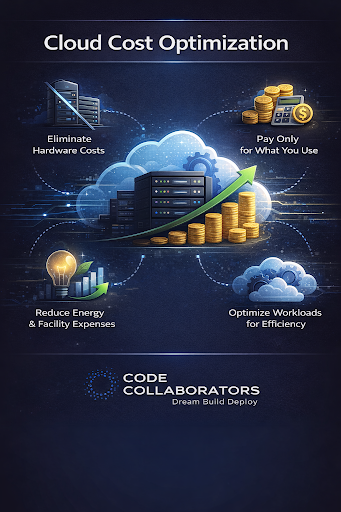
Through strategic cloud cost optimization, businesses can:
- Eliminate hardware refresh cycles
- Pay only for consumed resources
- Reduce energy and facility costs
- Optimize workloads for efficiency
When guided by experienced cloud consulting professionals, organizations avoid overprovisioning and maximize cost control.
5. Business Continuity and Disaster Recovery
Cloud platforms offer built-in backup, redundancy, and disaster recovery capabilities. Data replication across multiple regions protects operations from outages.
This resilience ensures minimal downtime and improved continuity planning.
AWS Migration Tips for Better Outcomes
Migrating to AWS requires planning and technical precision. Some proven AWS migration tips include:
- Conduct a full infrastructure assessment
- Identify application dependencies
- Choose the right migration strategy, such as rehost, refactor, or replatform
- Implement strong identity and access controls
- Continuously monitor performance post-migration
A structured approach ensures seamless transition and improved cloud performance.
Azure Cloud Benefits for Growing Businesses
Microsoft Azure offers unique advantages for organizations already using Microsoft ecosystems. Key Azure cloud benefits include:
- Seamless integration with Microsoft 365
- Advanced compliance frameworks
- Enterprise-grade security controls
- Hybrid cloud capabilities
Azure often becomes the preferred solution for businesses requiring regulatory alignment and hybrid cloud advantages.
Hybrid Cloud Advantages
Not every organization can move entirely to the public cloud. Hybrid cloud environments allow businesses to combine on-premises systems with cloud infrastructure.
Hybrid cloud advantages include:
- Gradual migration strategy
- Data sovereignty flexibility
- Workload-specific optimization
- Reduced disruption during transition
This approach balances performance, compliance, and operational continuity.
Common Cloud Migration Challenges
While cloud migration offers substantial benefits, poor planning can create complications such as:
- Unexpected costs
- Security gaps
- Downtime during transition
- Misconfigured environments
Working with experienced cloud consulting partners minimizes these risks and ensures alignment with long-term business goals.
When Should a Business Consider Cloud Migration?
Cloud migration is ideal when:
- Infrastructure is aging or costly to maintain
- Performance limitations impact operations
- Security concerns are increasing
- Business growth demands scalability
- Remote or hybrid workforce support is required
If any of these challenges exist, it may be time to evaluate your migration strategy.
How Cloud Migration Supports Long-Term Growth
A properly executed migration strengthens:
- Operational agility
- Security posture
- IT cost management
- Innovation capacity
- Infrastructure scalability
Cloud migration is not just a technical upgrade. It is a business transformation strategy that enhances performance across departments.
Ready to Improve Your Cloud Performance?
Cloud migration is a strategic decision that impacts performance, security, and long-term scalability. With expert guidance, the transition can unlock measurable business growth.
Schedule a consultation with Code Collaborators to explore how cloud migration, cloud consulting, and performance optimization strategies can modernize your infrastructure.
Talk to a cloud expert today and build a stronger, more resilient technology foundation.
